




Body Mass Index (BMI) is a widely used indicator for estimating body fat levels and assessing whether a person's weight falls within a healthy range. It can help identify obesity and highlight potential health risks associated with being underweight or overweight.
BMI is calculated by dividing a person's weight by the square of their height. The resulting value is then used to classify weight status into different categories, ranging from underweight to Class III obesity.

Check Your BMI Quickly with a Noerden Smart Scale
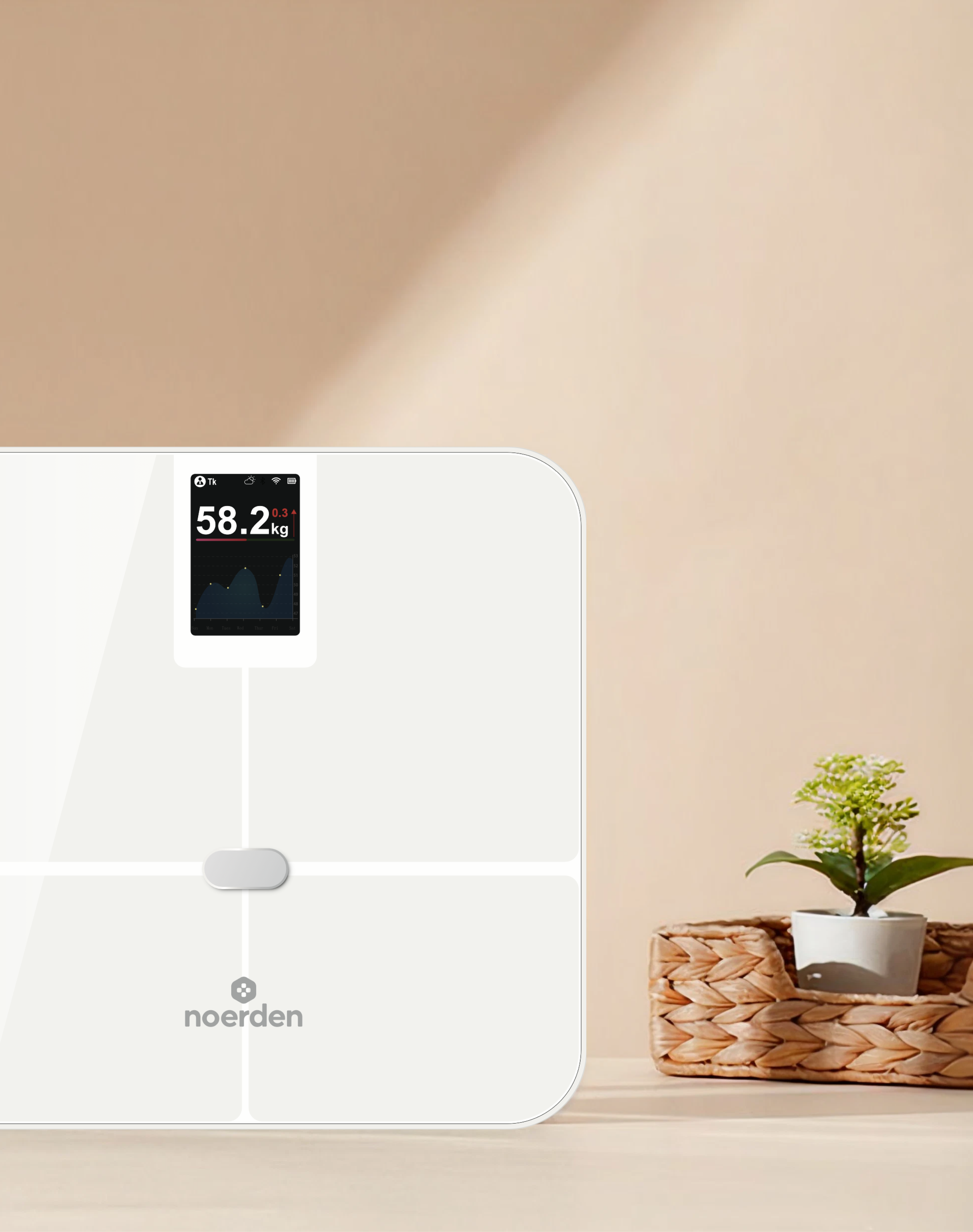
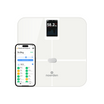
With a Noerden smart scale, you can check your Body Mass Index (BMI) in just a few seconds, without having to perform any complicated calculations. The scale automatically analyzes your measurements and provides a clear overview of your weight status.
In addition to BMI, Noerden smart scales can help you monitor other important body composition metrics, such as body fat percentage, muscle mass, body water percentage, and basal metabolic rate (BMR). This gives you a more complete picture of your body composition and helps you track changes over time.
It is an ideal solution for anyone looking to monitor their progress, improve their lifestyle, and make more informed decisions about their health and wellbeing.
BMI Classification
Body Mass Index is generally classified as follows:
-
Underweight: below 18.5 kg/m²
-
Normal weight: 18.5–24.9 kg/m²
-
Overweight: 25.0–29.9 kg/m²
-
Obesity: 30 kg/m² or higher
-
Class I obesity: 30.0–34.9 kg/m²
-
Class II obesity: 35.0–39.9 kg/m²
-
Class III obesity: 40 kg/m² or higher
-
These BMI categories are based on World Health Organization (WHO) classifications.
Why Is It Important to Know Your BMI?
Body Mass Index (BMI) is a useful screening tool that can help assess the risk of health conditions associated with excess body weight and body fat.
Being overweight or living with obesity is associated with a higher risk of developing a number of chronic health conditions. In general, as BMI increases, the likelihood of obesity-related health problems may also increase.
These can include:
-
Type 2 diabetes
-
High blood glucose levels
-
High cholesterol
-
High blood pressure
-
Infertility
-
Depression and anxiety
-
Coronary heart disease, including heart attack
-
Dyslipidemia
-
Metabolic liver conditions such as MASLD and MASH
-
Gastroesophageal reflux disease (GERD)
-
Metabolic syndrome
-
Urinary incontinence
-
Obstructive sleep apnea and other breathing disorders
-
Chronic kidney disease
-
Certain types of cancer, including breast, colon, endometrial, esophageal, kidney, ovarian, and pancreatic cancer
-
Osteoarthritis, particularly of the knees
-
Gallbladder disease
-
Thrombosis
-
Gout
-
Stroke
BMI should not be interpreted in isolation. For an accurate assessment and personalized recommendations, it is advisable to discuss your BMI, weight, and overall health with a healthcare professional.
What Are the Limitations of BMI?
Body Mass Index is a simple and objective way to assess weight relative to height, but it does not provide a complete picture of a person's health or body composition.
In some situations, BMI may be misleading. For example, older adults, athletes, and people with a high level of muscle mass may have BMI values that do not accurately reflect their actual body fat levels or health risks.
Professional athletes and bodybuilders, for example, may have a high BMI because of increased muscle mass rather than excess body fat.
BMI also does not take several important factors into account, including:
-
Genetic predisposition to obesity-related conditions, such as metabolic syndrome
-
Lifestyle and environmental factors that may influence health independently of body weight
-
The distribution of body fat throughout the body
-
Differences in muscle mass and overall body composition
It is important to remember that having a higher BMI does not automatically mean that someone is unhealthy, just as being within the “normal” BMI range does not guarantee optimal health.
BMI does not define your health. However, understanding your BMI and monitoring it alongside other body composition indicators can provide useful information about your overall wellbeing.
Regardless of your BMI, maintaining a balanced lifestyle based on nutritious food, regular physical activity, adequate sleep, and other healthy habits remains important.
For a more complete assessment, speak with your doctor or another qualified healthcare professional about your weight, body composition, and the most appropriate steps for maintaining your health.
How Do BMI and Waist-to-Height Ratio Relate to Heart Health?
People who are overweight or living with obesity may have a higher risk of developing cardiovascular disease, commonly referred to as heart disease.
Both Body Mass Index (BMI) and waist-to-height ratio (WtHR) can be useful tools for assessing cardiovascular risk.
BMI provides a general indication of weight in relation to height, while waist-to-height ratio gives additional information about abdominal fat distribution.
Because excess abdominal fat is closely associated with cardiovascular risk factors, waist-to-height ratio may provide additional insight into risks such as high blood pressure, high cholesterol, and metabolic disorders.
For the most complete picture, BMI should ideally be considered together with other measurements and health indicators, including waist circumference, body composition, blood pressure, blood glucose, cholesterol levels, and lifestyle factors.

BMI provides a general estimate of your weight category based on the relationship between your weight and height. By contrast, the waist-to-height ratio focuses on how body fat is distributed by comparing your waist circumference with your height.
This is particularly important because excess fat stored around the abdominal area is strongly associated with an increased risk of cardiovascular disease and other metabolic health problems.
Monitoring both BMI and waist-to-height ratio can therefore provide a more complete picture of your cardiovascular health and may help you identify whether lifestyle changes could be beneficial for maintaining or improving your overall wellbeing.
With a Noerden smart scale, you can check your Body Mass Index (BMI) in just a few seconds, without the need for complicated calculations. The scale automatically processes your measurements and gives you a clear overview of your weight status, making it easier to track changes over time.

