






Understanding your body composition is one of the most important steps toward improving your health. While many people focus only on weight, that number alone doesn’t reveal what truly matters.
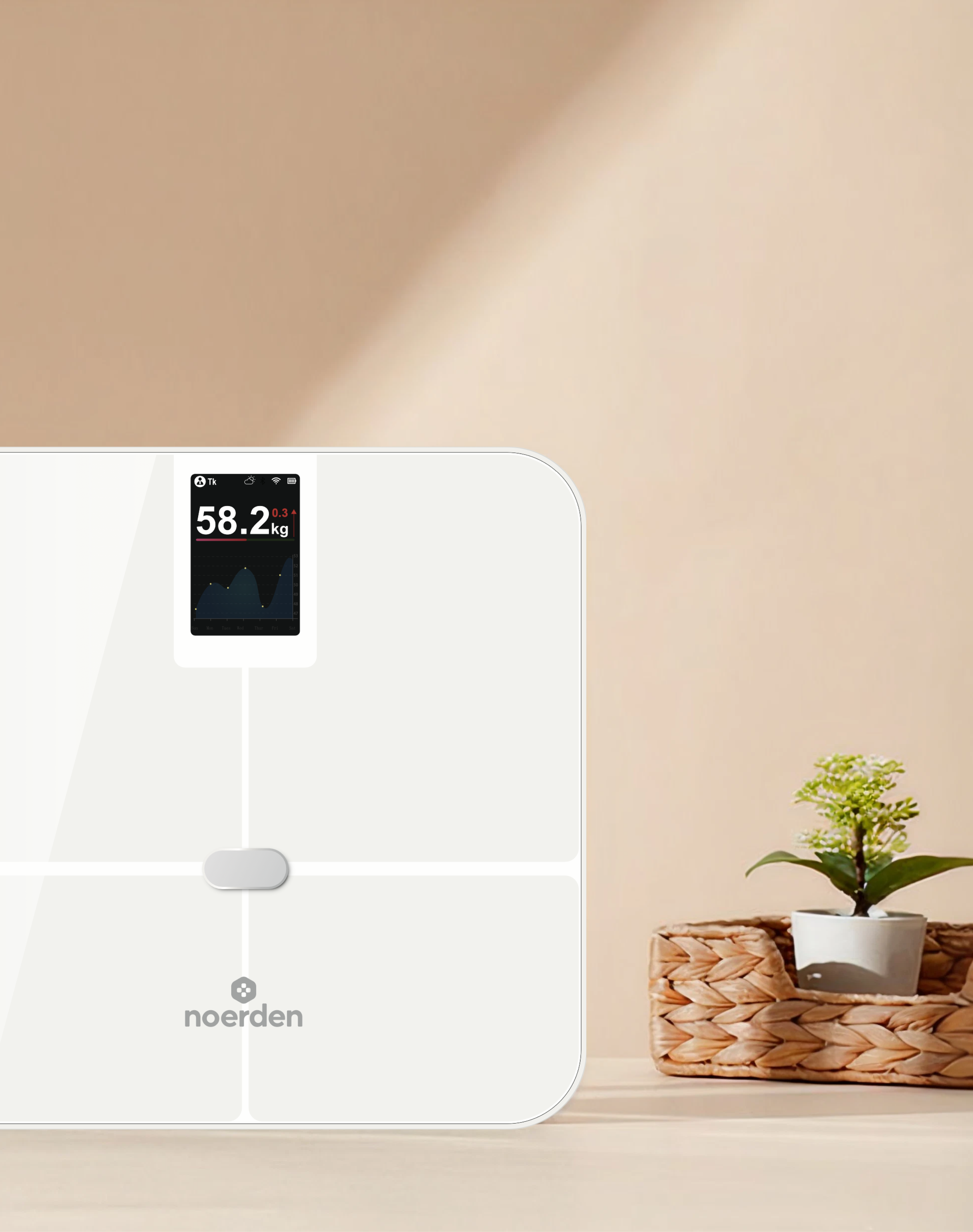
With a Noerden smart scale, you can go beyond kilograms and gain real insight into your body—tracking fat, muscle, hydration, and more using advanced BIA technology (bioelectrical impedance analysis).
What Is Body Composition?
Body composition describes what your body is made of:
- fat mass
- muscle mass
- bone mass
- body water
Unlike weight alone, it provides a much clearer picture of your overall health and physical condition.
👉 Two people can weigh the same but have completely different body compositions—and very different health outcomes.
Unlike BMI, which classifies your weight based only on height and weight, body composition looks at the different components that make up your body.

Muscle is denser than fat, so even if two people have the same size, weight, and age—and are both classified as “obese” by BMI—their body composition can be very different.
Why Body Composition Is More Important Than Weight
Relying only on the number on the scale can be misleading.
For example:
- You may be losing fat but gaining muscle
- Your weight may stay the same, even though your body is improving
This is why experts recommend focusing on body composition tracking, not just weight loss.
👉 A Noerden smart scale helps you understand whether your progress is real—not just visible.
How a Noerden Smart Scale Measures Body Composition
Noerden devices use bioelectrical impedance analysis (BIA), a technology that sends a safe, low-level electrical signal through your body.
Here’s how it works:
- Muscle and water conduct electricity easily
- Body fat resists the signal
Based on this, the scale estimates key metrics such as:
- body fat percentage
- muscle mass
- hydration levels
- basal metabolic rate (BMR)
👉 This turns your scale into a complete body analysis tool, not just a weight tracker.
What Is a Healthy Body Composition?
A healthy body composition is not a single number—it depends on factors like age, gender, and lifestyle.
In general, it includes:
- a lower body fat percentage
- a higher proportion of lean mass (muscle, water, bone)
While some fat is essential for normal body function, excessive levels can increase the risk of:
- cardiovascular disease
- type 2 diabetes
- metabolic disorders

Your body needs a certain level of fat to support essential functions, but in general, a lower body fat percentage is associated with better overall health.
Guidelines such as those provided by the American Council on Exercise can help you understand what ranges are considered healthy.
When it comes to muscle mass, it’s important to know that the human body contains three types of muscles: cardiac, smooth, and skeletal. Only skeletal muscle can be influenced through exercise—meaning it’s the only type you can actively develop.
Research shows that muscle mass naturally decreases with age, a process known as sarcopenia. This decline is accompanied by a loss of strength and occurs gradually over time—on average, around 4–5% per decade in men and slightly less in women.
It’s also worth noting that when measured using bioelectrical impedance, “muscle mass” often includes not only muscle tissue but also the water stored within it.
Typical total body water (TBW) ranges vary by age and gender:
- Ages 20–39: 75–89% for men, 63–75.5% for women
- Ages 40–59: 73–86% for men, 62–73.5% for women
- Ages 60–79: 70–84% for men, 60–72.5% for women
Maintaining adequate muscle mass is essential for good health. It supports calorie burning, helps protect against chronic conditions like diabetes, and contributes to a more efficient metabolism.
Key Factors That Influence Body Composition
Your body composition is constantly evolving and influenced by multiple factors:
Age
As you get older, muscle mass tends to decrease while body fat increases.
Gender
Women naturally have higher body fat levels, while men tend to store more visceral fat.
Nutrition
Calorie intake and protein consumption play a major role in shaping your body.
Physical activity
Exercise helps build muscle and reduce fat—while inactivity does the opposite.
Hormones
Hormonal balance affects metabolism, fat storage, and muscle development.
Sleep and lifestyle
Poor sleep and alcohol consumption can negatively impact body composition over time.
Why Tracking Body Composition Matters
You can’t improve what you don’t measure.
Tracking your body composition helps you:
- understand real progress
- adjust your nutrition and training
- detect potential health risks early
👉 With a Noerden smart scale, you can monitor trends over time and make smarter decisions about your lifestyle.
How to Improve Your Body Composition
Improving body composition isn’t about quick fixes—it’s about consistency.
Here’s what works best:
- combine strength training with cardio
- prioritize protein intake
- stay hydrated
- maintain a regular sleep schedule
- track your progress consistently
👉 Using a smart scale makes it easier to stay on track and see long-term results.
Conclusion
Your weight is just a number—but your body composition tells the full story.
With a Noerden smart scale, you gain access to deeper insights that help you understand your body, track your progress, and improve your health in a smarter way.